












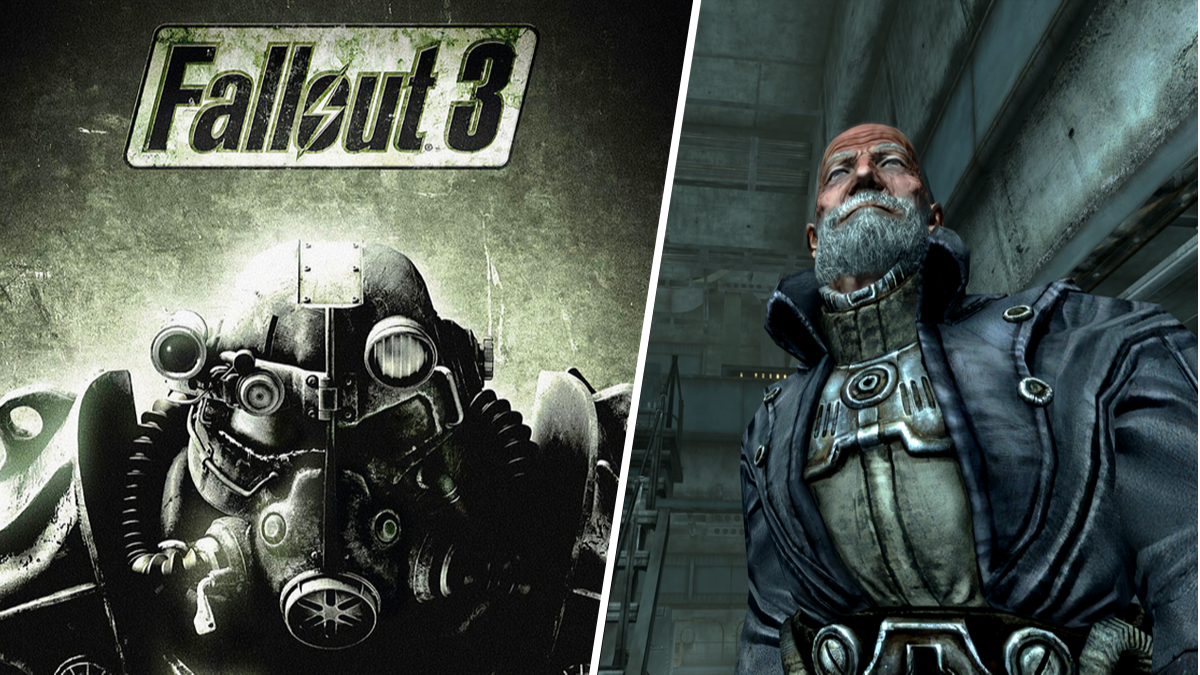
fallout 3 remaster begins not with an announcement, but with a memory.You step out of Vault 101, eyes adjusting to a blinding white horizon. The world is broken, irradiated, eerily quiet—and impossibly vast. In 2008, that moment didn’t just introduce a game; it etched itself into a generation’s imagination. Nearly two decades later, the idea of a Fallout 3 remaster hangs in the air like dust over the Capital Wasteland: half-rumor, half-longing, a cultural question disguised as a technical one.
Origins and the Moment Fallout Changed Shape
When Fallout 3 released in 2008, it carried a heavy burden. The original Fallout games were isometric, text-heavy role-playing experiences revered by a niche but devoted audience. Bethesda Game Studios—best known then for The Elder Scrolls—took a creative risk by rebuilding the franchise as a first- and third-person open-world RPG. That gamble reshaped not only Fallout, but the trajectory of Western role-playing games.
The result was a hybrid: part shooter, part role-playing epic, part environmental storytelling experiment. Bethesda’s approach—already refined in Morrowind and Oblivion—leaned on exploration as narrative. Ruined metro tunnels whispered Cold War paranoia; abandoned schoolhouses told stories without dialogue. The game’s development and legacy are tightly tied to Bethesda’s studio philosophy, which remains documented in their long-running history as one of the most influential RPG developers of the modern era (fallout 3 remaster).
Evolution, Aging Code, and the Remaster Question
Unlike a remake, a remaster promises preservation with polish. Higher resolutions. Improved lighting. Modern performance standards. But Fallout 3 is not an easy artifact to preserve. Its systems—V.A.T.S. combat, morality-based karma, branching quest outcomes—are deeply interwoven with engine quirks that modern hardware doesn’t always play nicely with.
This is why Fallout 3 has had a complicated afterlife on PC and consoles. Compatibility patches, community mods, and platform-specific updates have kept it playable, but rarely seamless. Official versions distributed through platforms like GOG have focused on stability rather than reinvention (fallout 3 remaster).
A remaster, then, is not just a visual upgrade—it’s a curatorial act. Which rough edges get sanded down? Which imperfections are historically important? The conversation mirrors broader debates in digital preservation, where games—unlike films or books—risk becoming unplayable artifacts.
Cultural Meaning: Why Fallout 3 Still Haunts Us
To understand the hunger for a Fallout 3 remaster, you have to understand what the game represents emotionally.
Fallout 3 arrived during a moment of global anxiety. Post-9/11 geopolitics, nuclear fears resurfacing in popular culture, and a growing skepticism toward institutions all found expression in its retro-futuristic ruins. The game’s aesthetic—1950s optimism fossilized beneath nuclear ash—was not subtle, but it was effective.
The Capital Wasteland wasn’t just a setting; it was a mood. Washington, D.C., reduced to monuments and memory, turned American exceptionalism into a playable elegy. The Lincoln Memorial questline, the Enclave’s authoritarian rhetoric, the Brotherhood of Steel’s moral absolutism—all of it felt uncomfortably relevant then, and perhaps even more so now (Fallout 3 ).
Modern Relevance in an Age of Remakes
We live in an era defined by re-releases. From Resident Evil to Dead Space, remakes and remasters dominate release calendars. This is not just nostalgia—it’s risk management. Familiar intellectual property offers emotional security to players and financial predictability to publishers.
Yet Fallout 3 occupies a strange middle ground. It is beloved, but also mechanically dated. Its gunplay lacks modern fluidity. Its UI reflects older design assumptions. A remaster would need to respect these limitations while gently modernizing them—without drifting into full remake territory.
Interestingly, Bethesda’s later Fallout entries complicate this desire. Fallout: New Vegas refined narrative depth. Fallout 4 modernized combat. Fallout 76 experimented—controversially—with multiplayer. A Fallout 3 remaster would sit at the crossroads of all three, inviting comparison and re-evaluation.
Audience, Memory, and the Fandom That Never Left
The fandom surrounding Fallout 3 is not loud, but it is persistent. Forums, long-form video essays, and modding communities continue to dissect its quests and moral systems. Mods that enhance textures, lighting, and mechanics already function as unofficial remasters—proof of desire, if not demand.
What draws people back is not mastery, but feeling. The loneliness of Galaxy News Radio echoing through ruins. The moral discomfort of choosing who gets clean water. The quiet horror of discovering what happened inside Vault 112. These moments resonate less as “gameplay” and more as lived experiences.
A remaster would primarily serve this audience—not newcomers, but returnees seeking emotional clarity through technical comfort.
Expert Perspective: A Conversation on Preservation
I spoke with a veteran game preservation specialist during a quiet afternoon call, the kind punctuated by keyboard clicks and distant city noise. Their office, they said, was lined with obsolete hardware—a museum of things that still mattered.
Q: Why does Fallout 3, specifically, inspire so much remaster talk?
A: “Because it’s a hinge game. Before it, Fallout was niche. After it, Fallout was mainstream. People want to revisit the moment that hinge turned.”
Q: Is a remaster technically feasible without breaking the game’s identity?
A: “Feasible, yes. Simple, no. The engine carries assumptions that modern systems don’t share. You’d need restraint—something the industry doesn’t always reward.”
Q: What’s the risk of over-modernizing it?
A: “You lose texture. Not graphical texture—cultural texture. The pauses, the stiffness, the silence. Those are part of the memory.”
Q: Do unofficial mods already do this job?
A: “They do, but unofficially. Preservation needs legitimacy, not just enthusiasm.”
Q: Should every beloved game be remastered?
A: “No. But the ones that shaped how we think about games probably should be protected.”
Variations on a Wasteland Theme
There are many Fallout 3s already. Console versions. PC versions. Modded versions running on hardware never imagined in 2008. Each represents a different interpretation of the same core experience.
This plurality raises a quiet question: which version deserves to be remembered? A remaster would inevitably canonize one vision over others. That choice carries weight—not just technical, but historical.
FAQs
Is Fallout 3 officially confirmed to be getting a remaster?
No official announcement has been made. Discussions remain speculative, driven by industry trends and player interest.
Would a remaster change gameplay mechanics?
Typically, remasters focus on visuals and performance. Significant gameplay changes would push it closer to a remake.
Why not remake it instead?
A remake risks altering narrative pacing and atmosphere—elements central to Fallout 3’s legacy.
Can mods replace an official remaster?
Mods improve experience but lack standardization, long-term support, and official preservation goals.
Why does Fallout 3 still matter today?
Because it captured a cultural anxiety and transformed it into an interactive memory that still resonates.
Conclusion: Waiting at the Vault Door
A Fallout 3 remaster is not about sharper textures or smoother frame rates. It’s about stewardship. About deciding which digital memories deserve care, investment, and intentional return.
Read more: Sherri Shepherd Kids: A Real Look at Her Life as a Mom and Celebrity