













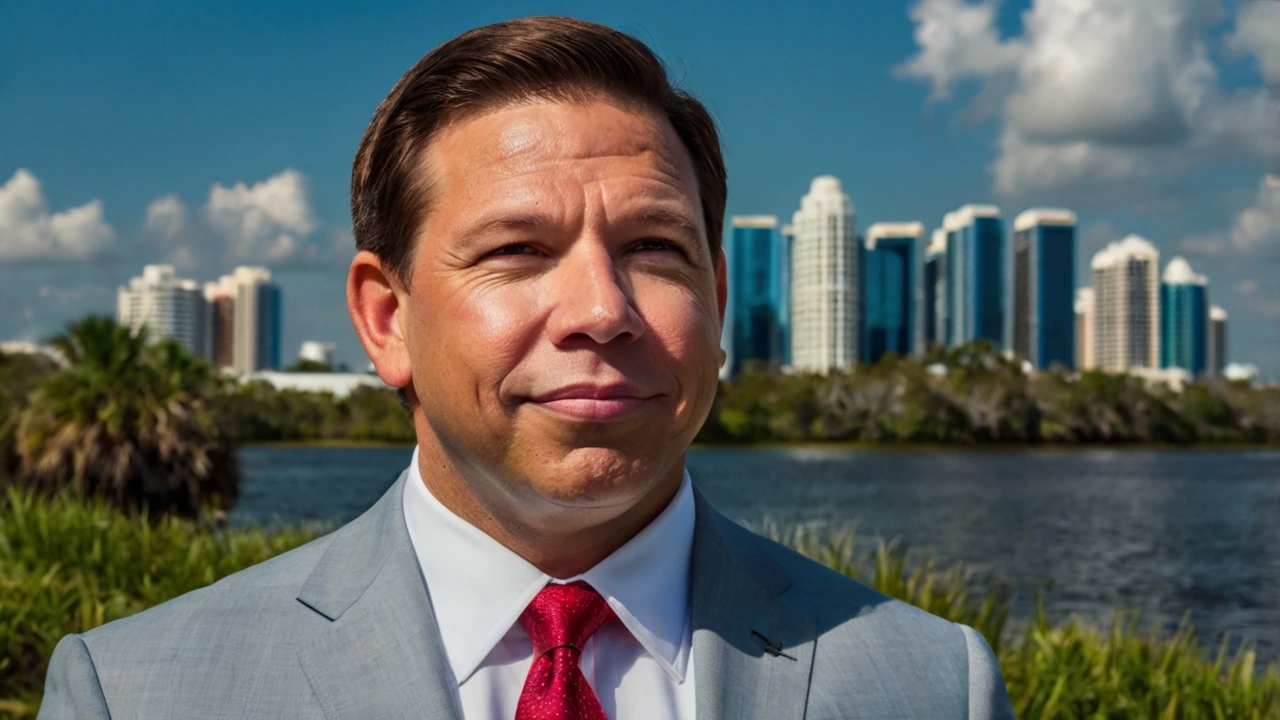
Property taxes are yearly taxes that homeowners pay based on the value of their property. In Florida, this money does not go directly to the governor. It goes to local governments, counties, and school districts. These taxes help pay for public schools, police officers, firefighters, road repairs, and local services that people use every day. If your home value goes up, your property tax bill usually goes up too. That is one reason why many Florida homeowners have seen higher tax bills in recent years.
In Florida, property taxes are calculated using the assessed value of your home, minus exemptions like the Homestead Exemption. The remaining value is multiplied by a “millage rate” set by local governments. Many people feel property taxes are unfair because even if you fully own your home, you must keep paying taxes every year. Others argue they are necessary to fund essential services. This debate is at the center of the Ron DeSantis property taxes discussion.
Ron DeSantis Property Tax Reform Plans
Ron DeSantis property taxes reform became a major topic after he openly supported cutting or even eliminating property taxes in Florida. He has described property taxes as unfair because homeowners must keep paying the government even after they fully own their homes. One of his most talked-about ideas was offering property tax rebate checks to Florida homeowners. This short-term relief was meant to help families struggling with rising home values and higher yearly tax bills.
Beyond rebates, DeSantis has pushed for a larger, long-term solution. He has discussed placing a constitutional amendment on the ballot that would allow voters to decide whether property taxes should be reduced or phased out. Since property taxes are controlled locally, a major change would require voter approval. His proposal has started a serious statewide debate about how Florida funds schools and emergency services if property taxes are reduced.
Why DeSantis Wants Property Tax Changes
Ron DeSantis property taxes reform is largely based on affordability concerns. Florida has seen rapid population growth and rising property values. As home prices increase, so do property tax bills. Many homeowners, especially retirees and middle-class families, feel pressure from these growing costs. DeSantis argues that people should not be taxed heavily on homes they already paid for, especially during times of inflation.
There is also a political and economic angle. Lower property taxes could attract more residents and businesses to Florida. Supporters believe this would strengthen the state’s economy. However, critics argue that eliminating property taxes could create serious funding gaps for schools and local governments. The issue is not simple. It balances homeowner relief against maintaining essential public services.
What Happens If Florida Cuts Property Taxes?
If Ron DeSantis property taxes plans move forward and property taxes are reduced, homeowners would likely see lower yearly tax bills. This could make owning a home more affordable. It might also increase home values because buyers would see Florida as a lower-tax state. In the short term, this sounds positive for property owners.
However, local governments rely heavily on property taxes to operate. Schools, police departments, fire rescue services, and road maintenance depend on this steady income. If property taxes are cut, Florida would need alternative revenue sources. That could mean higher sales taxes or more state funding. Without a replacement plan, local services could face budget shortages.
Frequently Asked Questions
1. Is Ron DeSantis eliminating property taxes?
He has supported the idea, but voters would need to approve it.
2. Would homeowners save money?
Yes, they could see lower yearly bills.
3. How are schools funded now?
Mainly through local property taxes.
4. When could changes happen?
Possibly after the 2026 ballot.
5. Would sales tax increase instead?
It could, if Florida replaces lost revenue.
Read more: Cicely Tyson Cause of Death: Truth Behind Her Passing