









The name Bryan Kohberger became known across the world after one of the most disturbing crime cases in recent American history. His story is not just about a crime. It is about fear, unanswered questions, and how modern investigations work. Many people search for Bryan Kohberger because they want to understand how something so violent could happen in a quiet college town.
Bryan Kohberger was accused and later convicted in the University of Idaho murders, a case that left four young students dead. The shock came not only from the brutality of the crime but also from who the suspect was. Kohberger was studying criminology, a field focused on understanding crime and criminals. This detail made the case feel unsettling and deeply ironic to many people.
This case mattered because it showed how technology, DNA evidence, and digital footprints can expose even carefully planned crimes. It also changed how students, parents, and universities think about safety. For many, Bryan Kohberger became a symbol of how danger can hide in plain sight.
Background and Early Life of Bryan Kohberger
Bryan Christopher Kohberger was born in 1994 and grew up in Pennsylvania. From an early age, he showed interest in psychology and human behavior. Friends and classmates later described him as quiet, serious, and often socially distant. While some saw him as intelligent, others felt he struggled to connect with people on an emotional level.
As he grew older, Kohberger focused heavily on academics. He earned degrees in psychology and criminal justice before moving on to graduate studies. Eventually, he enrolled as a PhD student in criminology at Washington State University. This detail became one of the most talked-about aspects of the Bryan Kohberger case, because his studies were centered on crime, behavior, and law enforcement.
Some former classmates and faculty members later spoke about concerning behavior, including rigid thinking and difficulty working with others. These reports did not prove guilt, but they added layers to public discussion about warning signs and mental health. Looking back, many people began asking whether something had been missed.
Quick Facts About Bryan Kohberger
| Detail | Information |
|---|---|
| Full Name | Bryan Christopher Kohberger |
| Birth Year | 1994 |
| Education | Psychology & Criminology |
| University | Washington State University |
| Known For | Idaho student murder case |
The University of Idaho Murders Explained
In November 2022, the quiet college town of Moscow, Idaho, became the center of national attention. Four students—Madison Mogen, Kaylee Goncalves, Xana Kernodle, and Ethan Chapin—were brutally murdered in their off-campus home. The violence was shocking, not only because of the number of victims but also because of how personal and targeted the attack appeared. For weeks, people across the country followed every update, trying to understand who could commit such a crime.
The case shocked people because the students were ordinary young adults living typical college lives. Families, friends, and community members felt unsafe, and the story prompted universities nationwide to reconsider campus safety. The media coverage focused on both the tragedy and the mysterious circumstances surrounding the crime, highlighting the public’s fascination with criminal behavior and the search for answers.
Arrest, Evidence, and Investigation
Bryan Kohberger became the prime suspect after police used a combination of DNA evidence, cell phone tracking, and forensic investigation. Authorities found traces linking him to the scene, which became a critical piece of the puzzle. Investigators also examined patterns in his behavior, social media activity, and movements in the days surrounding the murders.
The arrest took place in Pennsylvania, where Kohberger was living before being extradited to Idaho. Police emphasized that the case showed the importance of technology and careful investigation. By combining modern forensic techniques with traditional detective work, law enforcement was able to connect him to the crime in a way that left little room for doubt.
Key Evidence Linking Kohberger
| Evidence Type | Description |
|---|---|
| DNA Evidence | Genetic material matched to crime scene |
| Phone Data | Location tracking and call logs |
| Digital Footprints | Online searches and behavior patterns |
| Surveillance | Video placing him near scene |
Trial, Guilty Plea, and Sentencing
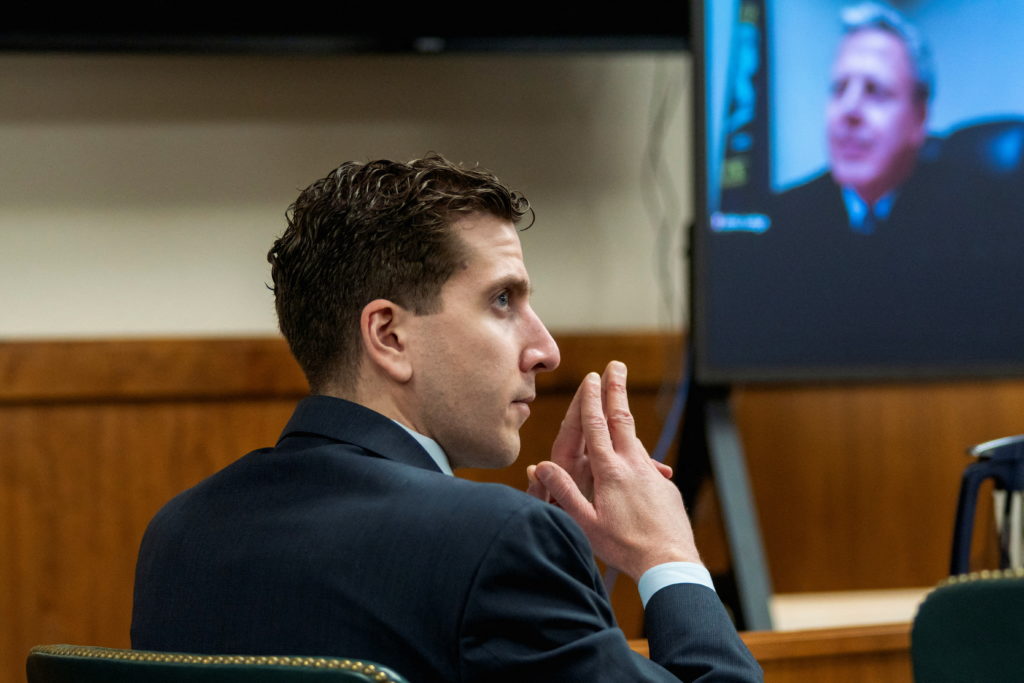
The legal proceedings for Bryan Kohberger were long and closely watched. Initially charged with four counts of first-degree murder and burglary, the case was set to go to trial, but in 2025, Kohberger pleaded guilty. His plea was part of a deal that allowed him to avoid the death penalty, a controversial decision that left families and the public divided.
During the sentencing, the court handed down four consecutive life sentences without parole. The judge described the crime as “calculated, cold, and devastating,” emphasizing the impact on the victims’ families. For many observers, the plea highlighted the complexities of the American legal system, where negotiation and strategy can sometimes outweigh a full public trial.
Public Reaction, Media, and Lasting Impact
The public reaction to the Bryan Kohberger case was intense and emotional. Families of the victims expressed grief and anger, demanding justice and raising questions about how such crimes can happen in seemingly safe communities. Social media amplified the story, and the case became a focal point for discussions about campus safety, mental health, and warning signs of violent behavior.
Media coverage often focused on both factual reporting and psychological analysis. True crime documentaries, articles, and podcasts examined the case from multiple angles, helping the public understand criminal behavior while also keeping the victims’ stories alive. The case continues to influence conversations about crime prevention, forensic technology, and student safety policies across the United States.
Frequently Asked Questions About Bryan Kohberger
1. Who is Bryan Kohberger?
Bryan Kohberger is an American man convicted of killing four University of Idaho students in 2022. He was a criminology PhD student at Washington State University when the crime occurred.
2. What was Bryan Kohberger’s motive?
The exact motive remains unclear, though investigations suggest premeditation. Experts note his academic focus on crime, but no direct connection to the victims was confirmed publicly.
3. How was Bryan Kohberger caught?
Investigators used DNA evidence, phone tracking, and surveillance footage to link him to the crime scene. Technology played a key role in solving the case quickly.
4. What was the outcome of his trial?
Kohberger pleaded guilty in 2025, avoiding the death penalty. He received four consecutive life sentences without parole for the murders and additional penalties.
5. Has this case affected campus safety policies?
Yes. Universities nationwide reviewed student housing security, threat detection, and emergency response protocols to prevent similar tragedies.
Legacy and Impact of the Bryan Kohberger Case
The Bryan Kohberger case remains a sobering example of modern crime investigation. It highlighted how forensic science, digital tracking, and careful policing can uncover the truth even in complex cases. Beyond the technical aspects, the case prompted deeper conversations about safety, warning signs of violent behavior, and the responsibilities of academic institutions.
For communities and universities, the case served as a catalyst for change. Awareness programs, safety audits, and mental health support systems have been strengthened. While the crime itself was tragic, the ongoing lessons from the Bryan Kohberger case continue to influence both law enforcement and public understanding of violent crime in society.
Read more: bill belichick girlfriend; Power, Privacy, and the Quiet Theater of Late-Life Love