



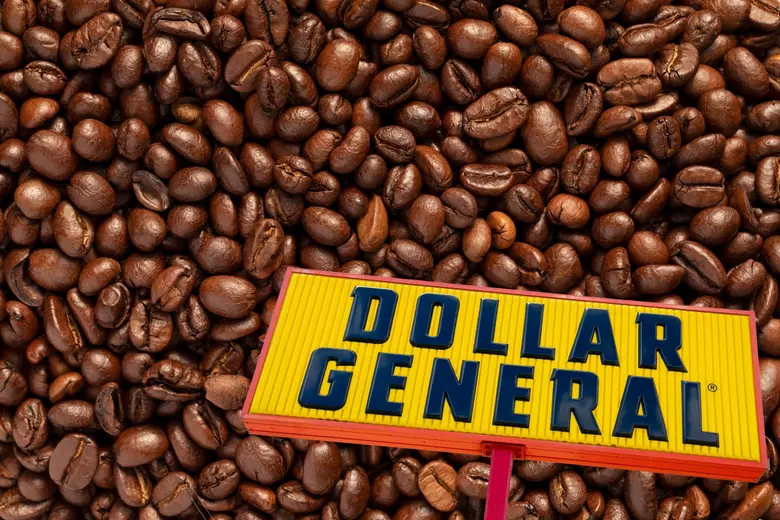
dollar general coffee recall; The morning began the way so many American mornings do—half-lit kitchens, the low hum of a drip machine, a paper mug warming cold hands. For millions, Dollar General coffee is not a luxury but a constant: inexpensive, familiar, quietly dependable. When word of a recall surfaced, it landed not as breaking news but as a subtle rupture in routine, the kind that makes a household pause mid-pour and wonder how something so ordinary could suddenly feel uncertain.
The Dollar General coffee recall is not merely a consumer advisory. It is a story about trust in systems designed to be invisible; about how supply chains, regulation, and corporate scale intersect with private, intimate habits. Coffee—arguably the most democratic of American pleasures—became the lens through which a broader unease came into focus.
The Quiet Origins of a Recall
Recalls rarely arrive with drama. They are issued in careful language, posted on government websites, and circulated via press releases that most people never read. In this case, the recall centered on select lots of Dollar General’s private-label coffee—often sold under the Clover Valley name—flagged for mislabeling and potential allergen exposure. The technical phrasing matters: undeclared allergens are among the most common and dangerous triggers for recalls, precisely because they can transform an everyday product into a medical risk.
The mechanics of a recall are well documented by regulators like the U.S. Food and Drug Administration, which maintains a public database to ensure transparency and traceability for consumers and retailers alike (dollar general coffee recall). But the lived experience of a recall unfolds elsewhere—on kitchen counters, in break rooms, in the brief moment of doubt before the first sip.
To understand why this matters, it helps to understand the scale of Dollar General itself. Founded in 1939 and now operating tens of thousands of stores across rural and suburban America, the company has become a primary food source for many communities with limited retail options (dollar general coffee recall). In those places, a recall does not simply mean switching brands; it can mean driving miles farther, spending more, or going without.
Coffee as Infrastructure, Not Indulgence
Coffee is often framed as culture—artisanal roasts, third-wave cafes, tasting notes that read like poetry. Yet for the majority of Americans, coffee is infrastructure. It is fuel, habit, and comfort, as essential to the workday as shoes or keys. According to cultural histories of coffee consumption, its rise in the United States tracks with industrialization and labor rhythms, binding caffeine to productivity and routine (dollar general coffee recall).
In discount retailers like Dollar General, coffee occupies a different symbolic space. It is not aspirational; it is practical. The recall, then, felt less like a scandal and more like a betrayal of a quiet contract: that affordability would not come at the cost of safety.
A System Built on Trust—and Friction
Food recalls exist because modern food systems are vast and imperfect. Ingredients cross borders, factories process multiple products, and private-label brands rely on third-party manufacturers. Each handoff introduces risk. The concept of a “food recall” itself emerged alongside mass production, as governments sought ways to mitigate harm without dismantling efficiency ( dollar general coffee recall).
What made the Dollar General coffee recall resonate was not its severity—no widespread injuries were reported—but its symbolism. It exposed the friction between scale and intimacy. A cup of coffee feels personal; a recall notice feels abstract. Bridging that gap requires trust not just in companies, but in regulators, inspectors, and the often unseen labor that underpins food safety.
An Expert’s View, Over Coffee—Without the Coffee
I spoke with Dr. Elena Morales, a food safety researcher, on a gray afternoon in her university office, the scent of disinfectant faintly replacing what might otherwise have been coffee. She laughed when I asked if recalls still surprise her.
Q: Why do recalls like this continue to happen?
A: “Because perfection isn’t scalable. When you’re producing millions of units, the question isn’t if something will go wrong, but how quickly you can detect and correct it.”
Q: Why are undeclared allergens such a common issue?
A: “Shared equipment. If a facility processes multiple products, even trace residues matter. Labeling is your last line of defense.”
Q: How should consumers interpret a recall emotionally?
A: “Cautiously, but not fearfully. A recall actually means the system worked—something was caught.”
Q: Does price point affect safety?
A: “Not directly. Regulation applies equally. But low margins mean less room for error recovery.”
Q: What’s the biggest misconception?
A: “That recalls are rare. They’re not. They’re just usually invisible.”
Her words reframed the narrative: the recall was not evidence of collapse, but of vigilance.
Living With the Recall
For consumers, the practical response was straightforward: check lot numbers, discard affected products, seek refunds. Emotionally, the response was messier. Online forums and local conversations revealed a familiar mix of resignation and skepticism. Some shrugged—“these things happen.” Others saw it as confirmation of a long-held unease about processed food and corporate consolidation.
The Centers for Disease Control and Prevention notes that food safety incidents disproportionately affect vulnerable populations, including those with allergies and limited access to alternatives (dollar general coffee recall). In that light, the recall becomes a question of equity: who bears the inconvenience, and who bears the risk?
The Broader Cultural Aftertaste
Zoom out, and the Dollar General coffee recall sits within a larger cultural moment. Trust in institutions—corporate, governmental, informational—has thinned. Small disruptions feel larger because they tap into accumulated doubt. Coffee, with its daily repetition, magnifies that effect. When the ritual breaks, the system shows.
Yet there is also resilience here. Consumers adapt. Systems adjust. Recalls prompt audits, reforms, and renewed scrutiny. They remind us that safety is not static; it is maintained through constant attention.
Frequently Asked Questions
Was the Dollar General coffee recall dangerous?
The risk centered on undeclared allergens, which can be serious for affected individuals but posed minimal danger to the general population.
How do I know if my coffee was included?
Consumers were advised to check specific lot numbers listed in official recall notices.
Do recalls mean a brand is unsafe overall?
Not necessarily. Recalls indicate that an issue was identified and addressed.
Why do private-label products get recalled?
They rely on third-party manufacturers, making oversight complex but regulated.
Should I avoid discount-store food products?
Safety standards apply across price points; vigilance matters more than venue.
What Lingers After the Cup Is Gone
The Dollar General coffee recall will fade from headlines, replaced by the next alert, the next small fracture in the everyday. But its resonance endures in the way it illuminates our dependence on systems we rarely see. Coffee returns to cupboards. Trust, slowly, refills
Read more: Diddy News: Latest Updates on Sean “Diddy” Combs and His Life in 2026