












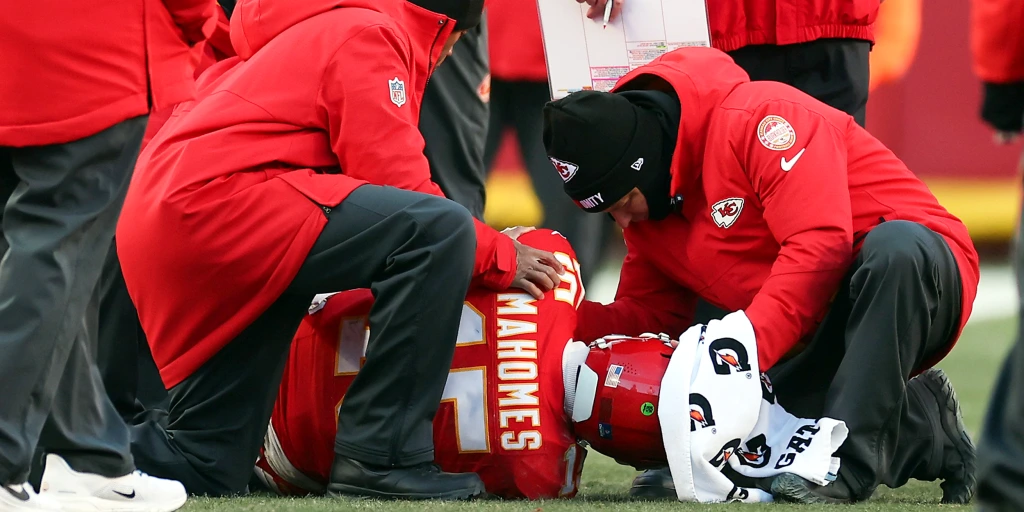
The Patrick Mahomes injury refers to a physical setback suffered by the Kansas City Chiefs quarterback during live game action. Like many NFL injuries, it happened in a high-pressure moment where speed, force, and balance all came together at once. Mahomes is known for his strong movement and ability to escape defenders, but even elite athletes are not immune to injury. This injury immediately raised concern because of his importance to the team and the physical demands of his position.
From early reports and expert opinions, the Patrick Mahomes injury affected a key area used for stability and movement. Quarterbacks rely heavily on their lower body to throw accurately and avoid tackles. When that area is compromised, even slightly, it can impact performance. While fans often think only about pain, injuries like this are more about control, balance, and long-term safety than toughness alone.
Quick Facts: Patrick Mahomes Injury Overview
| Detail | Information |
|---|---|
| Player | Patrick Mahomes |
| Position | Quarterback |
| Team | Kansas City Chiefs |
| Injury Type | Game-related physical injury |
| Immediate Concern | Mobility and stability |
When Did the Patrick Mahomes Injury Occur?
The Patrick Mahomes injury happened during a competitive game when the intensity was high and the play broke down unexpectedly. Mahomes was extending the play, something he does better than almost anyone, when the injury occurred. These moments are risky because defenders close in from multiple angles, and the quarterback’s body is often twisted or off-balance.
What made this moment worrying was how quickly Mahomes reacted afterward. He showed visible discomfort, and medical staff stepped in right away. Even when players continue playing, early signs like limping or limited movement often suggest something more serious beneath the surface. For fans and analysts, this was the first signal that the Patrick Mahomes injury could have real consequences.
Medical Details and Severity of the Patrick Mahomes Injury
Doctors usually look at stability, swelling, and range of motion when evaluating injuries like the Patrick Mahomes injury. While initial scans help rule out major damage, some injuries take time to fully show their impact. This is why teams stay cautious even if early news sounds positive. The goal is to avoid making the injury worse.
Medical experts explain that injuries affecting balance or joint strength can quietly impact throwing mechanics. Even small changes can reduce accuracy or increase the risk of further injury. The Chiefs’ medical team is known for being careful, which suggests they will prioritize long-term health over short-term gains.
Medical Snapshot: Injury Assessment
| Medical Area | Why It Matters |
|---|---|
| Stability | Needed for safe movement |
| Mobility | Affects throwing and escapes |
| Pain Level | Indicates healing progress |
| Swelling | Sign of internal stress |
Patrick Mahomes Injury Recovery Timeline
The recovery process for the Patrick Mahomes injury depends on how his body responds to treatment and rest. Recovery is not just about feeling better but about regaining full strength and control. Athletes at this level follow structured rehab plans that focus on movement, strength, and confidence.
Timelines can change quickly. Some players return sooner than expected, while others need extra time to avoid setbacks. Mahomes’ discipline and access to top medical care play a big role here. Still, patience is key because rushing recovery often leads to repeat injuries.
Will Patrick Mahomes Miss Games or the Season?
One of the biggest questions fans ask is whether the Patrick Mahomes injury will keep him out of games. Missing even one game can affect team momentum, but playing while hurt can cause long-term damage. Teams weigh these decisions very carefully.
If doctors believe Mahomes cannot perform safely, he will rest. The Chiefs have backup plans, but none can fully replace his leadership and skill. Whether he misses games or not, protecting his future remains the top priority.
Impact of the Patrick Mahomes Injury on the Chiefs
The Patrick Mahomes injury affects more than just one player. The Chiefs’ entire offensive strategy is built around his creativity and vision. When he is limited, play-calling becomes more conservative, and pressure shifts to other players.
Teammates often step up emotionally during these moments. Coaches simplify plays, and the team focuses on control rather than explosive moments. This adjustment period shows just how central Mahomes is to the Chiefs’ identity.
Long-Term Outlook and Career Impact
Looking long-term, the Patrick Mahomes injury is unlikely to define his career if managed correctly. Many elite quarterbacks have dealt with injuries and returned just as strong, sometimes even smarter in how they play. Experience teaches players how to protect themselves better.
Mahomes’ work ethic and understanding of the game suggest he will adapt if needed. With proper recovery and care, this injury can become just another chapter rather than a turning point. His talent and mindset remain his greatest strengths.
Frequently Asked Questions About Patrick Mahomes Injury
1. Is the Patrick Mahomes injury serious?
Early signs suggest caution, but not career-threatening.
2. Will Mahomes return quickly?
That depends on medical clearance and healing speed.
3. Can playing hurt make it worse?
Yes, rushing back increases re-injury risk.
4. Do quarterbacks fully recover from such injuries?
Most do with proper rehab and rest.
5. Does this affect his long-term career?
Unlikely if recovery is handled correctly.
Read more: Lane Kiffin News Begins at the Edge of Restlessness: Football, Ego, Reinvention