












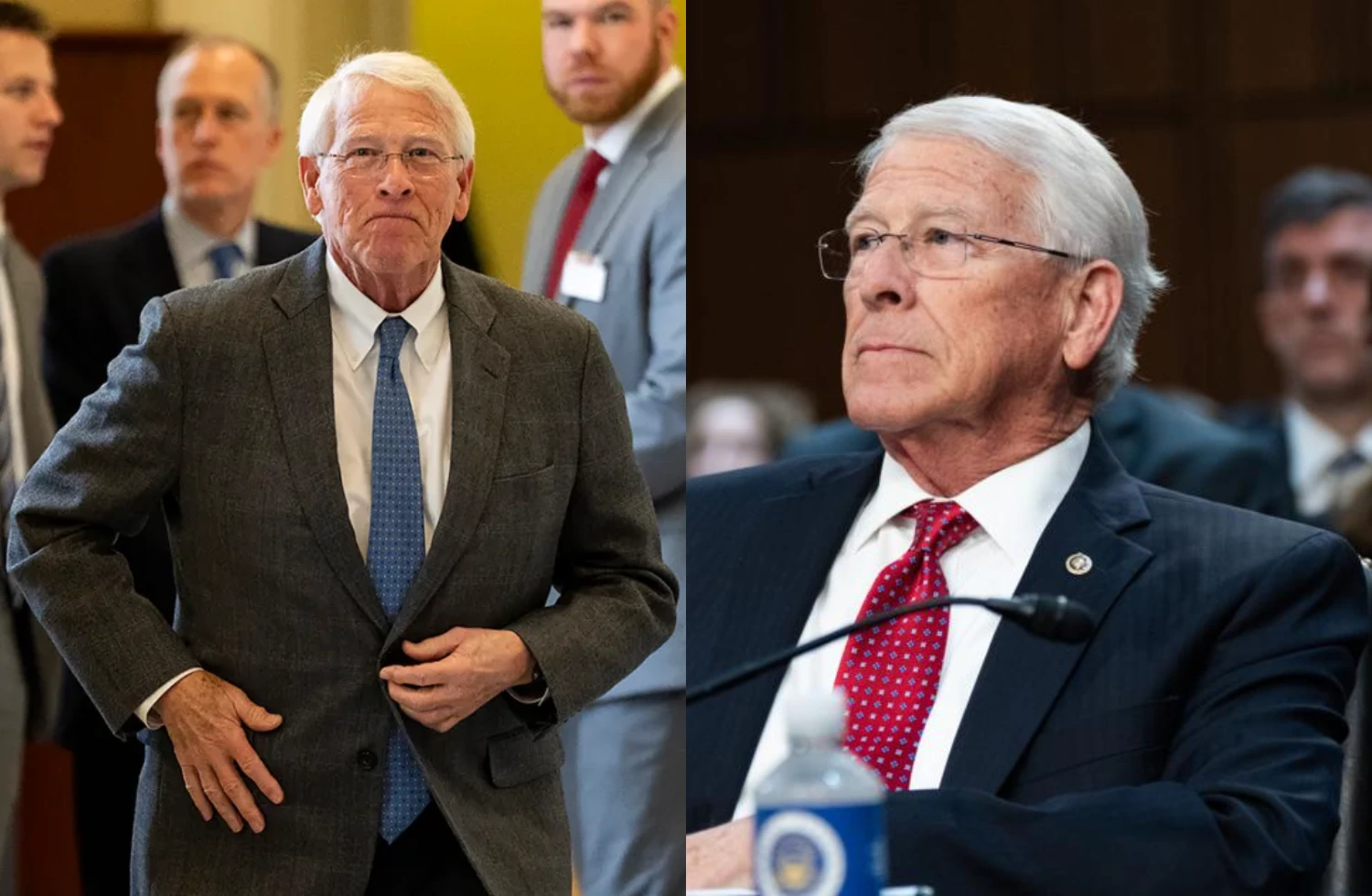
The phrase “wicker statement US military strike” has gained attention in political and defense discussions, particularly in relation to Senator Roger Wicker, a senior U.S. lawmaker known for his strong views on national security. As a prominent member of the Senate Armed Services Committee, Wicker has consistently shaped debates around military interventions, defense spending, and global security threats. His public statements on U.S. military strikes often reflect broader strategic priorities and geopolitical considerations.
This article provides a comprehensive biography of Roger Wicker, alongside an in-depth exploration of the wicker statement US military strike, contextualizing his remarks within his career, policy stance, and evolving global events.
Who Is Roger Wicker?
Roger Frederick Wicker is a Republican U.S. Senator from Mississippi, born on July 5, 1951, in Pontotoc, Mississippi. He has built a long-standing political career grounded in conservative values, military advocacy, and legislative experience.
Wicker first entered national politics in 1995 as a member of the U.S. House of Representatives, serving until 2007. He later transitioned to the Senate in 2007, filling a vacancy and subsequently winning multiple elections. Over the years, he has earned recognition as a key voice on defense policy, making the wicker statement US military strike particularly influential in policy circles.
Early Life and Education
Raised in a modest Mississippi household, Roger Wicker developed an early interest in public service and governance. He attended the University of Mississippi, where he earned a bachelor’s degree, followed by a law degree.
During his early years, Wicker’s academic and leadership experiences helped shape his conservative ideology and commitment to national service. His education laid the groundwork for his later involvement in military and defense policy discussions, including the wicker statement US military strike, which often reflects his deep understanding of constitutional and strategic frameworks.
Military Service and Background
Before fully entering politics, Wicker served in the United States Air Force, including time in the Judge Advocate General’s (JAG) Corps. His military background significantly influences his views on defense and foreign policy.
This experience gives credibility to the wicker statement US military strike, as it reflects not only political judgment but also firsthand understanding of military operations and legal constraints. Wicker’s service continues to inform his advocacy for strong national defense and support for U.S. troops.
Entry into Politics
Roger Wicker began his political journey in state-level roles, eventually serving as a state senator in Mississippi. His reputation for conservative leadership and strong communication skills propelled him to national office.
When he joined the U.S. House of Representatives, Wicker quickly became known for his focus on defense and infrastructure. These early experiences helped shape his later positions, including the wicker statement US military strike, which often aligns with his long-standing emphasis on national security.
Transition to the U.S. Senate
In 2007, Wicker was appointed to the U.S. Senate, marking a significant turning point in his career. He later secured his seat through elections, solidifying his role as a senior Republican voice.
As a senator, Wicker gained greater influence over defense policy, particularly through committee assignments. His statements, including the wicker statement US military strike, carry weight due to his seniority and leadership roles.
Role in the Senate Armed Services Committee
One of the most important aspects of Wicker’s career is his membership in the Senate Armed Services Committee. This position allows him to directly influence military policy, funding, and strategic decisions.
The wicker statement US military strike often emerges from this context, reflecting his involvement in evaluating military threats and responses. His committee role ensures that his opinions are grounded in classified briefings and expert consultations.
Political Ideology and Defense Strategy
Wicker is widely recognized as a defense hawk, advocating for increased military spending and strong deterrence strategies. He believes that maintaining a powerful military is essential for global stability.
The wicker statement US military strike typically aligns with this philosophy, emphasizing decisive action against threats while supporting U.S. allies. His ideology prioritizes strength and preparedness over restraint.
Context Behind the Wicker Statement US Military Strike
The wicker statement US military strike usually arises in response to specific geopolitical events, such as tensions in the Middle East, conflicts with adversarial nations, or threats to U.S. interests.
These statements are often delivered through press releases, interviews, or congressional hearings. They provide insight into how policymakers interpret global developments and determine appropriate military responses.
Key Themes in Wicker’s Military Strike Statements
Several recurring themes appear in the wicker statement US military strike. These include deterrence, defense of allies, and protection of U.S. national interests.
Wicker frequently emphasizes the importance of responding decisively to aggression, arguing that failure to act can embolden adversaries. His statements also highlight the need for coordination with allies and adherence to international law.
Notable Statements and Public Reactions
Over the years, Wicker has issued multiple statements regarding U.S. military actions. These statements often generate significant media attention and political debate.
The wicker statement US military strike has been both praised and criticized, depending on the context. Supporters view his stance as strong leadership, while critics argue that it may encourage escalation.
Impact on U.S. Foreign Policy
As a senior senator, Wicker’s views influence broader U.S. foreign policy discussions. His statements can shape public opinion and guide legislative priorities.
The wicker statement US military strike contributes to ongoing debates about the role of military force in international relations, particularly in balancing diplomacy and defense.
Relationship with Presidential Administrations
Wicker has worked with multiple presidential administrations, both Republican and Democratic. His approach to military policy often aligns with conservative administrations but can also involve bipartisan cooperation.
The wicker statement US military strike may support or critique executive decisions, reflecting his role as both a policymaker and a watchdog.
Criticism and Controversy
Like many defense-focused politicians, Wicker has faced criticism for his views on military intervention. Some argue that his stance may lead to unnecessary conflict.
The wicker statement US military strike is sometimes scrutinized for its tone and implications, particularly in sensitive geopolitical situations.
Support from Defense Advocates
Despite criticism, Wicker enjoys strong support from defense advocates and military communities. His commitment to strengthening the armed forces resonates with many voters.
The wicker statement US military strike is often seen by supporters as a reflection of his dedication to national security and global stability.
Media Coverage and Public Perception
Media outlets frequently cover Wicker’s statements, especially during times of conflict. His comments can quickly become part of national and international discourse.
The wicker statement US military strike often shapes how the public understands complex military decisions and their implications.
Comparisons with Other Lawmakers
Wicker’s approach to military policy is often compared with that of other senators. While some favor diplomacy, Wicker emphasizes strength and readiness.
The wicker statement US military strike highlights these differences, illustrating broader ideological divides within Congress.
Influence on Defense Legislation
Wicker plays a significant role in shaping defense legislation, including budgets and military programs. His influence extends beyond statements to concrete policy decisions.
The wicker statement US military strike often aligns with legislative efforts to enhance military capabilities and readiness.
Future Outlook and Political Legacy
As Wicker continues his career, his influence on defense policy remains significant. His statements will likely continue to shape debates on military strategy.
The wicker statement US military strike will remain a key aspect of his legacy, reflecting his commitment to a strong national defense.
Conclusion
The wicker statement US military strike is more than just a political remark—it represents the perspective of a seasoned lawmaker with decades of experience in defense policy. Roger Wicker’s career, shaped by military service and legislative leadership, provides important context for understanding his views.
FAQs
1. Who is Roger Wicker?
Roger Wicker is a U.S. Senator from Mississippi and a senior member of the Senate Armed Services Committee, known for his focus on defense policy.
2. What is the wicker statement US military strike?
It refers to public statements made by Senator Wicker regarding U.S. military actions, often emphasizing strong responses to global threats.
3. Why are Wicker’s statements important?
His role in defense committees gives his views significant influence over U.S. military policy and legislation.
4. Does Wicker support military intervention?
Generally, yes. He advocates for strong defense measures and decisive action when national security is at risk.
5. What criticism does he face?
Critics argue that his stance may encourage escalation and prioritize military solutions over diplomacy.
6. How does his military background affect his views?
His service in the U.S. Air Force JAG Corps provides practical insight into military operations and legal frameworks.